Introduction
The process of creating a film is complex and complicated to varying degrees. It depends on the level of advancement of production and the genre of the work. The largest productions are made by film crews of several hundred people and this is where the degree of complexity is greatest. Regardless of the scale of production, the division into three inherent stages of filmmaking remains unchanged:
- pre-production, which begins from the moment the film is needed to start shooting,
- production, i.e. the shooting period and
- post-production, which includes, among others, editing, sound, special effects and animations.
The pre-production period is the early stage of work on a film, including all activities preparing for production. First comes the need, then the idea. The next step is to create a script based on the budget established for the work. The film production team is selected and a series of meetings are held to determine the most important functions. Before the production begins, the actors must be cast, the set, costumes and props must be prepared.
Select the places where the photos will be taken and assemble the rest of the film crew who will create the background of the set, energy security, health and safety, and catering. At this stage, a storyboard is created, i.e. a descriptive shooting schedule according to which the production will take place. On its basis, all production logistics and work scheduling are established. Pre-production can last from several days in the case of a simple advertising film to several months or even years in the case of large feature productions.
Days on set.
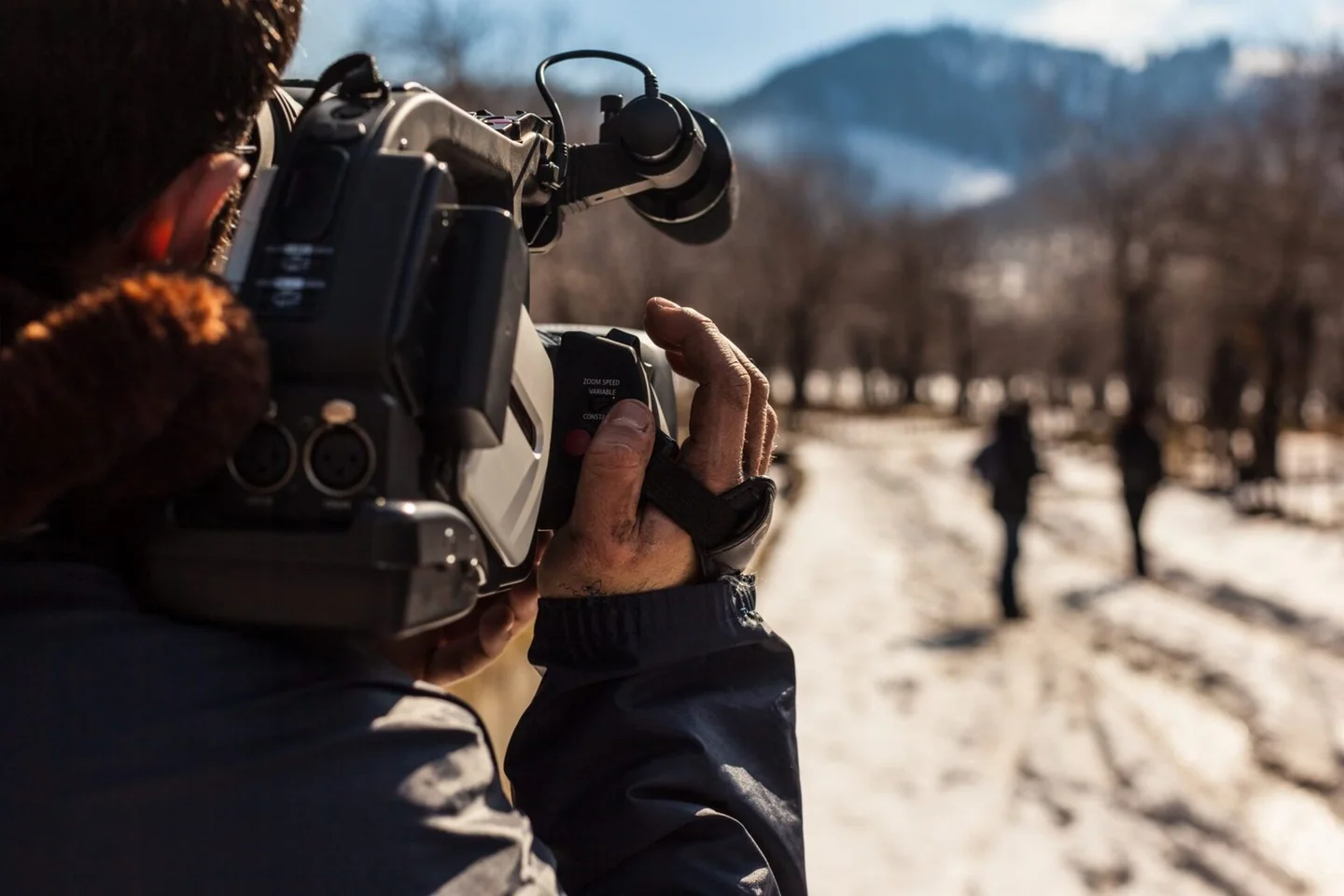
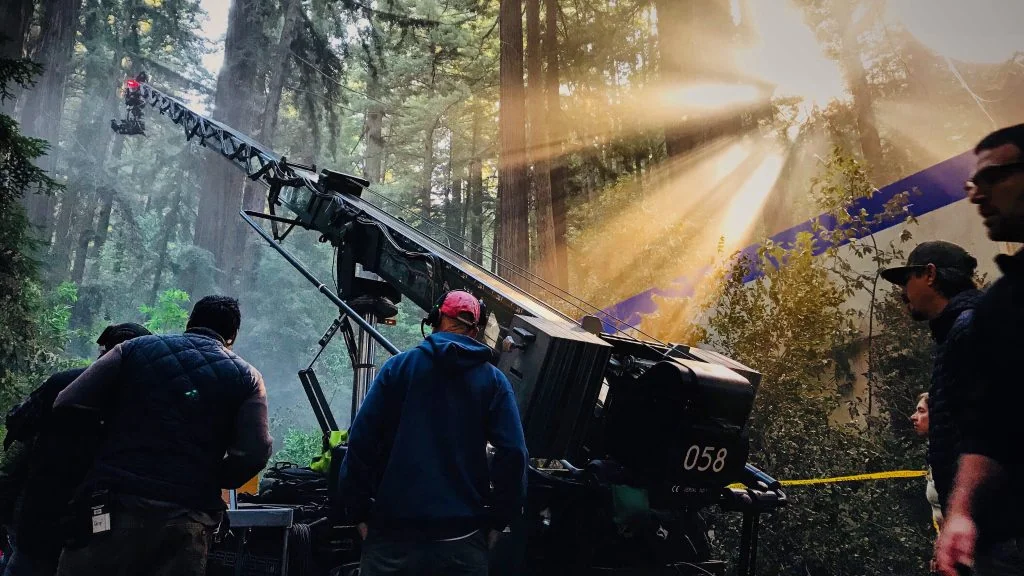
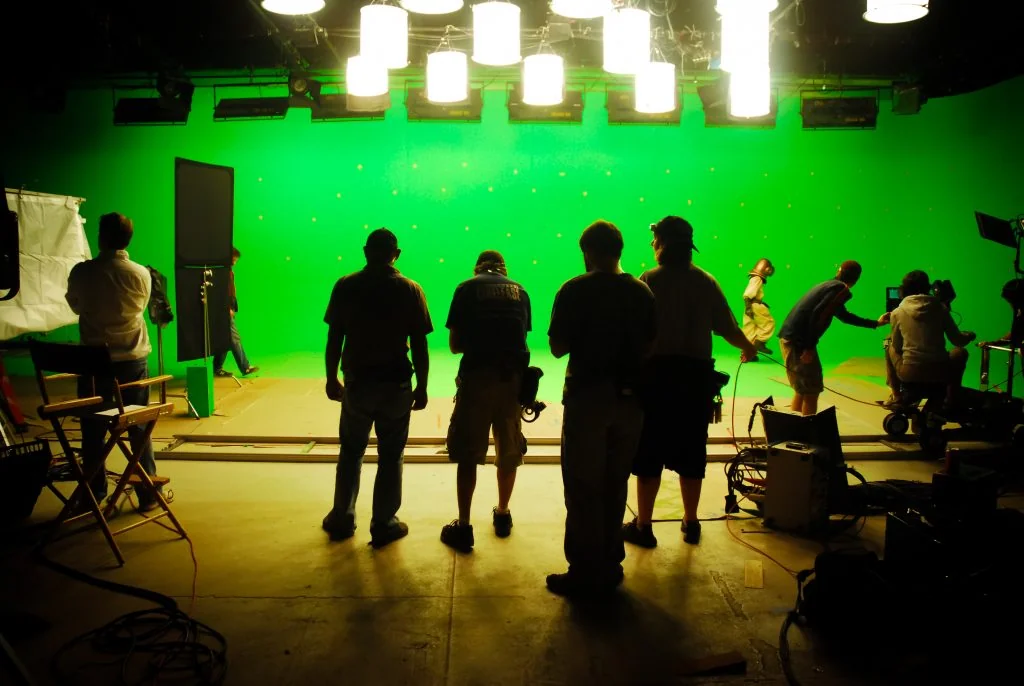
The production phase begins on the date set during the pre-production period. When everything is prepared and the documentation is finished, the team starts work. Photos are taken in interiors created in the studio or real spaces, as well as outdoors - in the open air. Logistics is very important. Chronology in the film's script is not important. The photos in the film appear at the beginning and at the end to simplify the organization and not to return to the same place twice if it is not necessary.
It has to be efficient and the shooting period has to be as short as possible. It is measured in shooting days and can vary greatly in duration. In the case of advertising spots, it may be only one day. In the case of feature films, reportages or documentaries, there may be several dozen shooting days and they may last many months. One factor is the weather. If fall filming is not completed by winter, it will have to be put on hold and wait until next fall.
The shooting day usually starts early in the morning. Preparations for the first shots take several hours. During this time, you need to prepare the scenes, lighting, make-up of actors, etc. Then come the trials. When everything is ready and checked, the director gives the order to start shooting. Scenes composed of shots are usually shot several times. These are so-called doubles. This is usually due to random reasons, such as an actor tripping or equipment failure.
Moreover, the director sometimes decides to record a shot in several versions so that during editing it is possible to choose the one that best suits the scene.
Post-production completes the work
Post-production takes place after the shooting is completed. The first step is to watch all the recorded material shot by shot. Editing begins, visual effects are added, and then comes sound. If there is such a requirement, post-synchronization, i.e. sound and dialogues, which we then hear in the film, are recorded in the sound studio. The sounds recorded in the studio are of much better quality than those recorded during production on the day of shooting.
During post-production, color corrections are made to the image and subtitles are added to the film. The final version of the film is created and presented to producers and actors. It often happens that the film is not accepted and some corrections need to be made, and sometimes even additional shots need to be shot and added to the work, then the film is accepted. This is where the production of the film ends.
The path from need to finished work is long, but depends largely on the type of production. Corporate or advertising films are characterized by much less complexity and a shorter production process than documentary and feature films. However, the creation process is divided into three phases and begins with the need for a film.